

The Ecclesiastical Museum of the Holy Metropolis of Maronia and Komotini is a museum in central Komotini, housed in the restored Imaret, a 15th-century Ottoman building. Its collection brings together icons, sacred objects, vestments and books, making it a focused stop for learning about the region’s post-Byzantine ecclesiastical art.
- Location: The Imaret is on Xenofontos Street near Venizelou Street.
- From the hotel: It’s about a 2-minute walk from Olympos Hotel.
- Typical visit: Plan about 45 minutes.
- Hours and admission: Visiting hours are Tuesday, Thursday and Sunday 10:30–13:00, Wednesday and Friday 17:00–20:00, and Saturday 10:00–13:30. No admission fee is specified.
Where is the Ecclesiastical Museum?
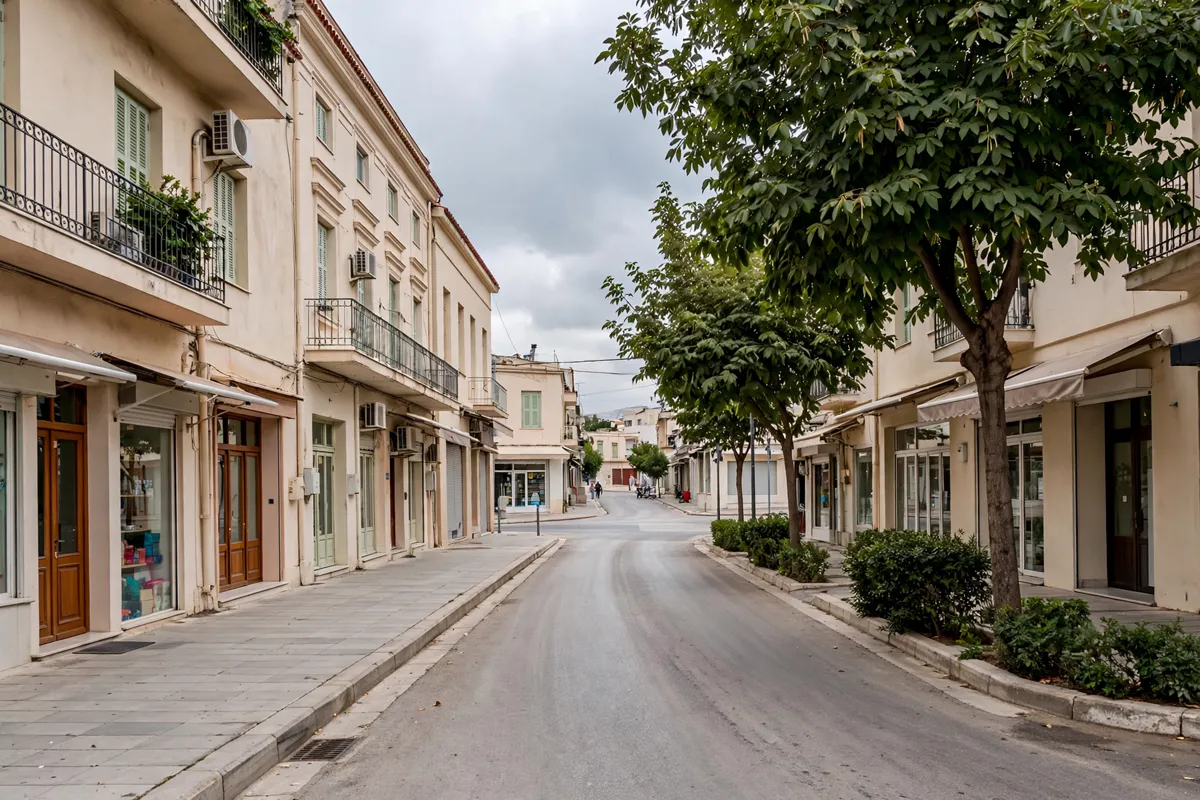
The Ecclesiastical Museum is inside the restored Imaret, near the meeting of Xenofontos and Venizelou streets in Komotini. The building was used as a poorhouse until the early 20th century.
Address listings differ: one gives 8 Venizelou Street, while another gives 8 Xenofontos Street, so using the Imaret and nearby streets as your reference may be more helpful than relying on a single street number.
The museum is under the direct supervision of the Holy Metropolis of Komotini and Maronia. A visit takes about 45 minutes, giving you time to see the collection without making the museum a full-day commitment.
What should you check before a visit?
Check the current visiting hours and admission arrangements before you set out. Visiting hours are Tuesday, Thursday and Sunday 10:30–13:00, Wednesday and Friday 17:00–20:00, and Saturday 10:00–13:30. Public-holiday visits are by prior arrangement, and Monday is not listed as an open day.
No admission fee or free-entry rule is specified. Before you go: check the official site before you go.
The collection includes portable icons, sacred objects, priestly vestments, manuscripts and liturgical books. They came from churches in the Metropolis’s ecclesiastical province and from refugee donations. The exhibits date from the 16th to the early 20th century and document post-Byzantine ecclesiastical art in the region.
How do you reach the museum on foot?
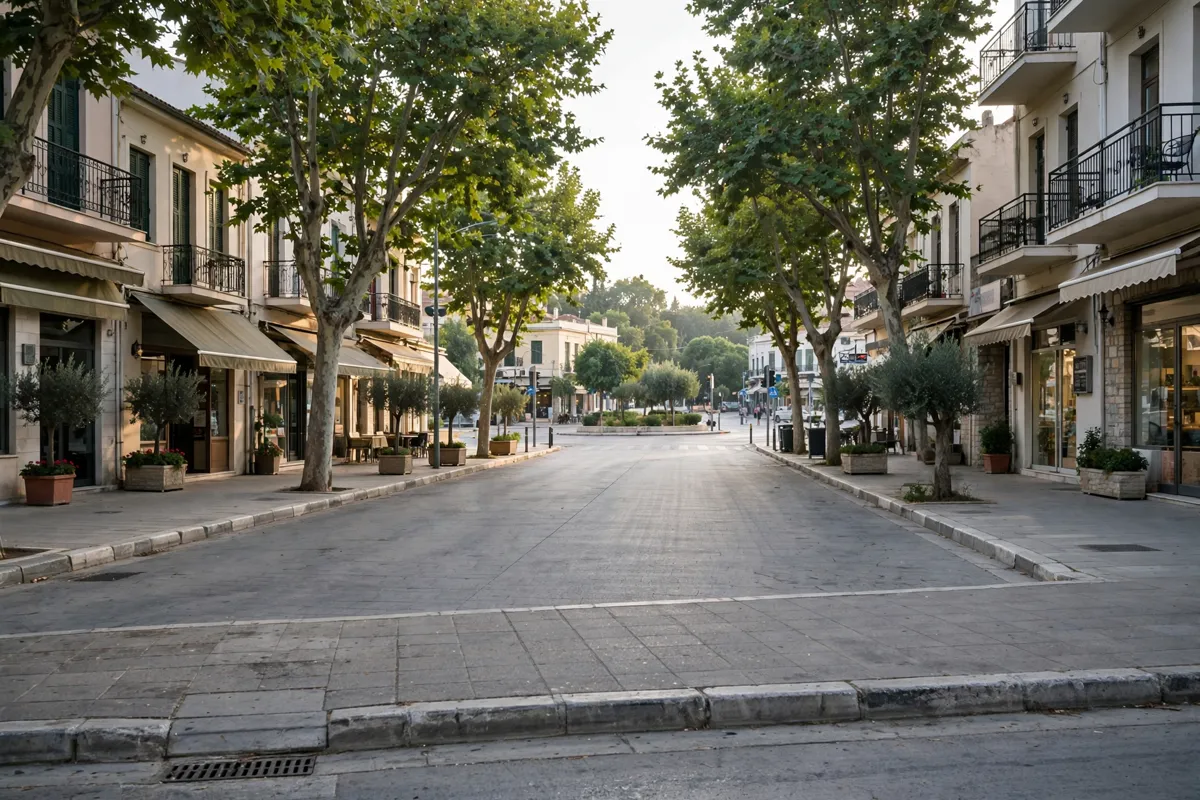
From Eski Tzami, follow Xenofontos Street toward Venizelou Street; the Imaret is a few metres farther on. Once you’re on those streets, look for the restored building rather than depending on one address listing, since the published street numbers vary.
For a wider walking plan around the city, see this one-day Komotini itinerary on foot. It can help you place the museum alongside other central stops without needing to treat it as a separate outing.
Which cultural stops can you combine with the museum?
Komotini’s cultural stops include the Archaeological Museum and the Folklore Museum, as well as the Ecclesiastical Museum. The Archaeological Museum, at 4 Alexandrou Symeonidi Street, presents material spanning the Neolithic period to the Byzantine era. It has a lift and educational programmes.
For another local collection, the Folk Museum in Komotini is a related stop to consider. The city also has landmarks including the Cathedral of the Assumption, Tsanakleion Hall and the Carathéodory Museum; the facts available here identify them as nearby points of interest but do not provide opening details.
FAQs
Is there an admission fee for the Ecclesiastical Museum?
No admission fee or free-entry rule is specified. Confirm the arrangement before visiting.
Is the museum accessible to visitors with disabilities?
A regional listing says access is possible for visitors with disabilities and that a ramp is not required. This detail was not confirmed in a notice from the museum or responsible authority.
What is the museum housed in?
It occupies the restored Imaret, a 15th-century Ottoman building that formerly served as a poorhouse.